Reading Exchange Rates — What Actually Matters
Understand spot rates, bid-ask spreads, and how to track currency movements without getting overwhelmed by financial jargon.

Why Exchange Rates Matter More Than You Think
You’ve probably noticed that rupee rates keep changing. What you might not realize is that understanding these numbers doesn’t require a finance degree. Most people get intimidated by exchange rate terminology, but here’s the truth — you don’t need to track every decimal point. You just need to know what actually moves your wallet.
When the rupee weakens against the dollar, your imported electronics cost more. When it strengthens, that international software subscription becomes cheaper. These aren’t abstract numbers — they’re real changes that affect your monthly budget. This guide breaks down what to watch, what to ignore, and how to make sense of the numbers without the noise.
The Spot Rate — Your Starting Point
The spot rate is the current price at which one currency trades for another. Right now. Today. That’s it. If you see “83.50 per USD” — that’s the spot rate. It’s the baseline number everything else is built on.
Here’s what matters: The spot rate changes constantly throughout the day as banks and traders buy and sell currencies. You’ll see it fluctuate by 10-15 paise within an hour. Don’t panic about these tiny movements. They’re normal. What actually affects your costs are the bigger shifts — when the rate moves from 82 to 84 over several months. That’s when your imported goods get noticeably more expensive.
Key takeaway: Watch the spot rate weekly, not daily. Daily noise creates anxiety without useful information.

Bid-Ask Spread — The Cost of Converting
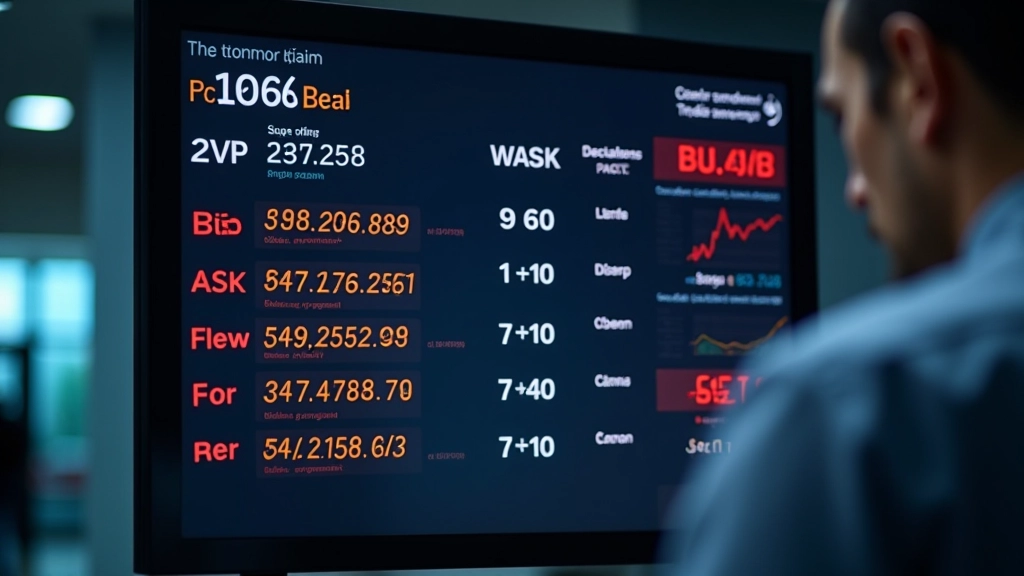
This is where banks and money changers make their money. The bid price is what they’ll pay you for your foreign currency. The ask price is what they’ll charge you to buy foreign currency from them. The difference? That’s their profit — and your cost.
Let’s say the spot rate is 83.50. Your bank might show you 83.30 (bid) and 83.70 (ask). That 40 paise difference on every dollar adds up fast. Converting $1000 at that spread costs you 400. Not huge, but if you’re converting regularly for international purchases or receiving money from abroad, these spreads compound.
Different banks and money changers quote different spreads. Some charge 50 paise, others charge 1 rupee. This is where you can actually save money by shopping around. Even a 30 paise difference on a large transaction matters.
How to Actually Track Exchange Rates
You don’t need specialized software or financial apps to understand currency trends. Here’s what works in practice:
Check RBI Rates Weekly
The Reserve Bank publishes official reference rates. These aren’t the rates you’ll get from your bank, but they show the broader trend. Takes 30 seconds on your browser.
Compare Your Bank’s Rates
Your bank publishes their own rates on their website or app. Note the bid-ask spread they’re charging. Compare with competitors if you’re converting significant amounts.
Look at Monthly Trends, Not Daily Swings
Plot the rate for the past 3-6 months. You’ll see if it’s generally strengthening or weakening. That’s the information that actually affects your budgeting.

Practical Numbers That Actually Matter
If the Rupee Weakens by 2 Rupees
A $1000 laptop purchase jumps from 83,500 to 85,500. That’s an extra 2,000 out of your pocket. Over a year, if you’re importing regularly, that’s 24,000 in additional costs.
Bid-Ask Spread Impact
Converting 100,000 to dollars at a 50 paise spread costs you 600. Same amount at a 1 rupee spread costs 1,200. You just saved money by checking rates. That’s the real game.
Forward Rates (For Planning Ahead)
If you know you’re sending money abroad in 3 months, some banks let you lock in today’s rate. Costs a small fee, but removes uncertainty from your planning. Worth considering for large amounts.
International Transfers
Banks add their own markup on top of the market rate. Money transfer services (like TransferWise alternatives) often charge lower markups. For transfers above 50,000, the difference compounds significantly.
The Bottom Line
Exchange rates aren’t meant to stress you out. You’re not trading currencies for profit — you just need to understand how they affect your costs. The spot rate tells you the direction. The bid-ask spread tells you the hidden cost. Weekly tracking gives you actual useful information. That’s enough.
Don’t check rates obsessively. Don’t panic over daily movements. Do compare your bank’s spread against competitors when converting larger amounts. Do understand that a weakening rupee gradually makes imports more expensive, which is why your budget adjustments matter.
The goal here isn’t to become a forex expert. It’s to make informed decisions about your own money without getting lost in financial noise. You’ve got this.

Educational Disclaimer
This article is for educational purposes only. It explains how exchange rates work and provides general information about currency conversions. It’s not financial advice, investment guidance, or a recommendation to buy, sell, or hold any currency. Exchange rates fluctuate based on market conditions, and the rates mentioned here are examples for illustration only. Your actual costs depend on your bank’s current rates, market conditions, and timing of your transactions. Always verify current rates with your bank or money changer before making any conversions. For decisions involving significant amounts, consider consulting with a financial advisor who can assess your specific situation.